Buy celebrity24.eu ?
We are moving the project
celebrity24.eu .
Are you interested in purchasing the domain
celebrity24.eu ?
domain@kv-gmbh.de · 0541-91531010
Buy celebrity24.eu ?
What is the difference between Meiosis 1 and Meiosis 2?
Meiosis 1 is the first stage of meiosis, during which homologous chromosomes separate, resulting in two daughter cells with half the number of chromosomes as the original cell. Meiosis 2 is the second stage of meiosis, during which sister chromatids separate, resulting in four daughter cells, each with half the number of chromosomes as the original cell. In Meiosis 1, genetic recombination occurs through crossing over, while in Meiosis 2, the main process is the separation of sister chromatids. **
What does meiosis mean?
Meiosis is a type of cell division that occurs in sexually reproducing organisms. It involves two rounds of cell division resulting in the production of four daughter cells, each with half the number of chromosomes as the parent cell. This process is essential for the formation of gametes (sperm and egg cells) and ensures genetic diversity in offspring. Meiosis also allows for the shuffling and recombination of genetic material, leading to variation among individuals. **

Similar search terms for - Meiosis
Top-Angebote
Products related to - Meiosis:




-
What is meiosis 2?
Meiosis 2 is the second stage of meiosis, a type of cell division that produces gametes (sperm and egg cells) in sexually reproducing organisms. In meiosis 2, the two daughter cells produced in meiosis 1 undergo a second round of division, resulting in the formation of four haploid cells. This process helps to ensure genetic diversity by shuffling genetic material and reducing the chromosome number in half. Meiosis 2 is essential for sexual reproduction and the production of genetically unique offspring. **
-
What is Meiosis 4?
Meiosis 4 is the final stage of meiosis, a type of cell division that results in the formation of gametes (sperm and egg cells) in sexually reproducing organisms. During meiosis 4, the two daughter cells produced in meiosis 2 divide again, resulting in a total of four haploid gametes. This process is essential for genetic diversity and the production of reproductive cells with half the number of chromosomes as the parent cell. **
-
What is Meiosis 14?
Meiosis 14 is not a recognized or scientifically accepted term in biology. Meiosis is a type of cell division that results in four daughter cells with half the number of chromosomes as the parent cell. It is a crucial process in sexual reproduction, where genetic diversity is generated. The term "Meiosis 14" may be a misunderstanding or misinterpretation of the actual process of meiosis. **
-
What is Meiosis 18?
Meiosis 18 is a hypothetical process that does not occur in nature. Meiosis is a type of cell division that reduces the chromosome number by half, resulting in the formation of gametes (sperm and egg cells) in sexually reproducing organisms. However, meiosis typically only involves two rounds of cell division, resulting in four daughter cells with half the number of chromosomes as the parent cell. The concept of Meiosis 18 is not biologically accurate and is not a recognized stage of cell division. **


What is meiosis in biology?
Meiosis is a type of cell division that occurs in sexually reproducing organisms to produce gametes, such as sperm and egg cells. It involves two rounds of cell division, resulting in four daughter cells with half the number of chromosomes as the parent cell. This process is essential for genetic diversity and ensuring the correct number of chromosomes in offspring. Meiosis includes unique events such as crossing over and independent assortment, which contribute to genetic variation. **
When exactly does meiosis occur?
Meiosis occurs during the process of sexual reproduction in eukaryotic organisms. It specifically occurs in the reproductive cells, such as sperm and egg cells, where the cells undergo two rounds of cell division to produce four haploid cells. This process is essential for genetic diversity and the formation of gametes for sexual reproduction. Meiosis typically occurs during the formation of gametes in organisms, such as during the development of sperm in males and the development of eggs in females. **
Top-Angebote
Products related to - Meiosis:
-
Scholastic Charismatic Characters Value PackExtend the adventure! Introduce early readers to character content beyond the screen.This set includes:Alma's Way: Alma Speaks Up / Alma hablaEva the Owlet: The Story of Eva & FriendsGabby's Dollhouse: Meet the KittycornPeppa Pig: We Love Our...26,99 $*Shipping: 0,00 $Secure redirect to the provider
-
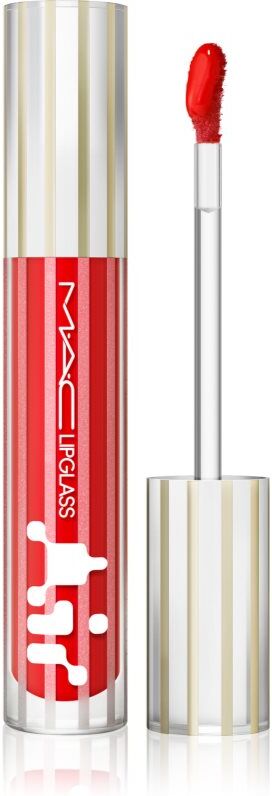
MAC Cosmetics Lipglass Air hydrating lip gloss shade Talented 5 mlMAC Cosmetics Lipglass Air, 5 ml, Lip Glosses for Women, Lips as smooth as glass and as reflective as a mirror? The MAC Cosmetics Lipglass Air lip gloss can turn this dream into reality. It envelops the lips in a high-gloss formula, smoothing and evening out their surface to mask any lines or wrinkles while giving your lips long-lasting comfort. It promotes their soft appearance, preventing visible dryness that can interfere with your perfect makeup look. In no time at all, it helps you achieve beautifully glossy, luscious lips, making them the centre of attention and irresistibly kissable. Ingredients: coconut oil – contains a large amount of antioxidants, helps prevent wrinkles and premature skin aging, intensively nourishes, softens and promotes hydration, regeneration and soothing of skin jojoba oil – keeps skin intensely hydrated, provides antioxidant protection, counteracts irritation and dryness, helps regulate sebum production and promotes regeneration How to use: Apply an even layer to the lips with an applicator. Allow to dry.19,55 £*Shipping: 3,99 £Secure redirect to the provider
-
What is the difference between Meiosis 1 and Meiosis 2?
Meiosis 1 is the first stage of meiosis, during which homologous chromosomes separate, resulting in two daughter cells with half the number of chromosomes as the original cell. Meiosis 2 is the second stage of meiosis, during which sister chromatids separate, resulting in four daughter cells, each with half the number of chromosomes as the original cell. In Meiosis 1, genetic recombination occurs through crossing over, while in Meiosis 2, the main process is the separation of sister chromatids. **
-
What does meiosis mean?
Meiosis is a type of cell division that occurs in sexually reproducing organisms. It involves two rounds of cell division resulting in the production of four daughter cells, each with half the number of chromosomes as the parent cell. This process is essential for the formation of gametes (sperm and egg cells) and ensures genetic diversity in offspring. Meiosis also allows for the shuffling and recombination of genetic material, leading to variation among individuals. **
-
What is meiosis 2?
Meiosis 2 is the second stage of meiosis, a type of cell division that produces gametes (sperm and egg cells) in sexually reproducing organisms. In meiosis 2, the two daughter cells produced in meiosis 1 undergo a second round of division, resulting in the formation of four haploid cells. This process helps to ensure genetic diversity by shuffling genetic material and reducing the chromosome number in half. Meiosis 2 is essential for sexual reproduction and the production of genetically unique offspring. **
-
What is Meiosis 4?
Meiosis 4 is the final stage of meiosis, a type of cell division that results in the formation of gametes (sperm and egg cells) in sexually reproducing organisms. During meiosis 4, the two daughter cells produced in meiosis 2 divide again, resulting in a total of four haploid gametes. This process is essential for genetic diversity and the production of reproductive cells with half the number of chromosomes as the parent cell. **
Similar search terms for - Meiosis
-
What is Meiosis 14?
Meiosis 14 is not a recognized or scientifically accepted term in biology. Meiosis is a type of cell division that results in four daughter cells with half the number of chromosomes as the parent cell. It is a crucial process in sexual reproduction, where genetic diversity is generated. The term "Meiosis 14" may be a misunderstanding or misinterpretation of the actual process of meiosis. **
-
What is Meiosis 18?
Meiosis 18 is a hypothetical process that does not occur in nature. Meiosis is a type of cell division that reduces the chromosome number by half, resulting in the formation of gametes (sperm and egg cells) in sexually reproducing organisms. However, meiosis typically only involves two rounds of cell division, resulting in four daughter cells with half the number of chromosomes as the parent cell. The concept of Meiosis 18 is not biologically accurate and is not a recognized stage of cell division. **
-
What is meiosis in biology?
Meiosis is a type of cell division that occurs in sexually reproducing organisms to produce gametes, such as sperm and egg cells. It involves two rounds of cell division, resulting in four daughter cells with half the number of chromosomes as the parent cell. This process is essential for genetic diversity and ensuring the correct number of chromosomes in offspring. Meiosis includes unique events such as crossing over and independent assortment, which contribute to genetic variation. **
-
When exactly does meiosis occur?
Meiosis occurs during the process of sexual reproduction in eukaryotic organisms. It specifically occurs in the reproductive cells, such as sperm and egg cells, where the cells undergo two rounds of cell division to produce four haploid cells. This process is essential for genetic diversity and the formation of gametes for sexual reproduction. Meiosis typically occurs during the formation of gametes in organisms, such as during the development of sperm in males and the development of eggs in females. **
* All prices are inclusive of VAT and, if applicable, plus shipping costs. The offer information is based on the details provided by the respective shop and is updated through automated processes. Real-time updates do not occur, so deviations can occur in individual cases. ** Note: Parts of this content were created by AI.